Most Common Roadside Emergencies in Alberta
Driving in Alberta comes with challenges that many drivers in other provinces rarely experience. Freezing winter temperatures, icy highways, sudden snowstorms, long rural roads, and unpredictable weather patterns all increase the chances of vehicle breakdowns. Even newer vehicles can experience problems when road conditions become severe.
Roadside emergencies are extremely common across Alberta throughout the year, especially during winter. A dead battery on a freezing morning, a flat tire during highway travel, or a vehicle sliding into a ditch during a snowstorm can quickly turn into dangerous situations if drivers are unprepared.
This is why roadside assistance services play such an important role for Alberta drivers. Fast roadside support helps reduce stress, improve safety, and prevent small vehicle issues from becoming larger mechanical problems.
In this guide, we’ll cover the most common roadside emergencies in Alberta, why they happen, how drivers can prevent them, and when professional roadside assistance becomes necessary.
Why Alberta Drivers Experience More Roadside Emergencies
Alberta’s climate creates tough conditions for vehicles almost year-round. Winter temperatures often fall well below freezing, which affects batteries, tires, fluids, and engine systems. Snow-packed roads and black ice also increase accident risks and roadside recovery calls.
At the same time, many Alberta drivers travel long highway distances between cities such as Calgary, Edmonton, and Red Deer. Long-distance driving places extra stress on engines, cooling systems, tires, and brakes.
Several factors increase roadside emergency risks in Alberta, including:
- Extreme cold weather
- Sudden temperature changes
- Snow and ice accumulation
- Long highway travel
- Gravel roads and potholes
- Heavy winter traffic
- Poor visibility during storms
Many roadside emergencies begin as small maintenance issues that gradually become worse over time. Ignoring warning signs like slow engine starts, low tire pressure, or overheating indicators often leads to unexpected breakdowns later.
Dead Batteries During Alberta Winters
Dead batteries are one of the leading reasons drivers call roadside assistance in Alberta. Cold weather dramatically reduces battery performance, especially overnight when temperatures drop sharply.
During winter, vehicles require more electrical power to start, while batteries become less efficient in freezing temperatures. This combination creates the perfect conditions for battery failure.
Common Signs of a Weak Battery
Drivers often notice warning signs before a battery completely dies. These signs include:
- Slow engine cranking
- Dim headlights
- Clicking sounds when starting
- Weak dashboard lights
- Electronic systems malfunctioning
Older batteries are especially vulnerable during Alberta winters. Batteries that are more than three to five years old often struggle to handle severe cold weather.
Why Winter Makes Battery Problems Worse
Cold temperatures slow down the chemical reactions inside the battery. At the same time, engine oil becomes thicker in winter, forcing the battery to work harder during startup.
Short driving trips can also create problems because the battery doesn’t have enough time to recharge fully between starts.
Professional roadside assistance providers can quickly test batteries, provide battery boosts, and inspect charging systems to help drivers get back on the road safely.
Flat Tires and Tire Blowouts
Flat tires are another extremely common roadside emergency across Alberta. Winter potholes, gravel roads, construction zones, and sharp debris all contribute to tire damage throughout the year.
Highway driving increases the danger significantly because damaged tires can suddenly fail at high speeds.
What Causes Tire Blowouts?
Several issues increase the risk of tire failure:
| Cause | Impact on Tires |
|---|---|
| Low tire pressure | Increased heat and wear |
| Worn tread | Reduced traction |
| Potholes | Sidewall damage |
| Overloaded vehicles | Extra tire stress |
| Winter temperature drops | Pressure loss |
Cold weather naturally lowers tire pressure, which is why Alberta drivers often see tire pressure warnings during winter mornings.
What To Do During a Blowout
A tire blowout can feel frightening, especially at highway speeds. The safest approach is staying calm and avoiding sudden braking.
Drivers should:
- Hold the steering wheel firmly
- Ease off the accelerator slowly
- Avoid sharp steering movements
- Pull over safely
- Turn on hazard lights
Roadside assistance technicians can install spare tires, repair minor punctures, or tow vehicles safely if the tire damage is too severe.
Vehicles Sliding Into Ditches During Winter
Winter ditch recoveries are extremely common throughout Alberta, particularly on rural roads and highways during snowstorms. Even experienced drivers can lose traction on black ice or snow-covered roads. High winds, drifting snow, and reduced visibility make driving conditions even more dangerous during winter weather events.
Areas Where Ditch Accidents Commonly Happen
Vehicles frequently slide off the road in:
- Rural highway areas
- Curved roads
- Bridge approaches
- Snow-covered intersections
- Secondary highways
Many drivers attempt to free their own vehicles using unsafe methods, but improper recovery attempts often cause suspension damage or make the vehicle more deeply stuck.
Professional recovery operators use specialized equipment such as:
- Winch systems
- Recovery straps
- Flatbed tow trucks
- Heavy-duty towing equipment
This allows vehicles to be recovered safely while minimizing further damage.
Engine Overheating During Summer
Although Alberta is known for harsh winters, overheating engines are still a major roadside issue during warmer months.
Long-distance highway driving, heavy traffic, towing trailers, and mountain travel all place additional strain on cooling systems.
Common Causes of Overheating
Engine overheating is usually linked to cooling system failures. Some of the most common causes include:
- Low coolant levels
- Radiator leaks
- Broken thermostats
- Faulty cooling fans
- Water pump failure
Drivers may notice steam from under the hood or rising temperature gauges before the vehicle overheats completely.
Important Safety Tip
One of the most dangerous mistakes drivers make is opening a hot radiator cap immediately after overheating. Hot coolant systems remain pressurized and can cause severe burns. Drivers should pull over safely, turn off the engine, and allow the vehicle to cool before inspecting anything under the hood.
If the overheating problem continues, roadside assistance or towing is usually the safest option.
Lockouts and Lost Keys
Vehicle lockouts happen more frequently than many drivers realize. Modern smart key systems are convenient, but electronic lock systems and key fob batteries can sometimes fail unexpectedly. In Alberta winters, lockouts become even more stressful because drivers may be stranded outside in freezing temperatures.
Professional roadside assistance technicians use specialized tools to unlock vehicles safely without damaging:
- Windows
- Door frames
- Paint
- Electronic locking systems
Trying to force entry into newer vehicles can cause expensive damage, especially on vehicles equipped with advanced security systems.
Running Out of Fuel on Alberta Highways
Long highway distances between towns make fuel-related emergencies surprisingly common across Alberta. Many drivers underestimate how much fuel winter driving consumes. Idling during snowstorms, strong headwinds, towing heavy loads, and long-distance highway travel all increase fuel consumption significantly.
Running out of fuel becomes especially dangerous during:
- Winter storms
- Night driving
- Remote highway travel
- Severe cold weather
Walking long distances on highways during poor weather conditions can put drivers at serious risk.
Roadside assistance companies often provide emergency fuel delivery services, allowing drivers to continue safely without leaving their vehicles behind.
Accidents and Emergency Towing
Winter weather contributes to a large number of vehicle accidents across Alberta every year. Snow-packed roads, icy intersections, and reduced visibility all increase collision risks, especially during storms and rush-hour traffic.
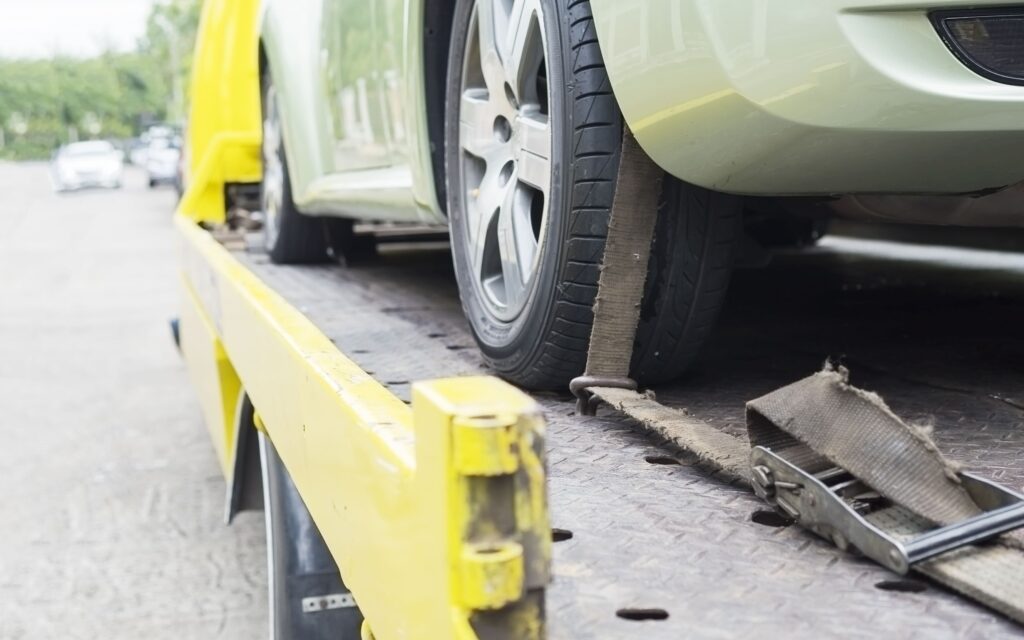
After an accident, professional towing services help move damaged vehicles safely while reducing traffic hazards. Depending on the situation, operators may use flatbed tow trucks, wheel-lift systems, or heavy-duty recovery equipment.
Professional towing companies also understand proper accident recovery procedures and roadside safety practices. Fast response becomes especially important on busy highways where disabled vehicles create additional accident risks.
Drivers should always choose licensed and insured towing providers that use professional equipment and experienced operators to avoid unnecessary vehicle damage during transport.
How Alberta Drivers Can Prevent Roadside Emergencies
Preventative maintenance remains one of the best ways to reduce roadside breakdowns. Many emergencies start with small problems that become worse over time because they were ignored or overlooked.
Regular battery testing before winter can help identify weak batteries before they fail during cold weather. Tire inspections are equally important because worn tread and improper tire pressure increase blowout risks significantly.
Drivers should also prepare emergency kits for Alberta road conditions. Keeping blankets, booster cables, flashlights, gloves, emergency food, portable chargers, and first aid supplies inside the vehicle can make a major difference during unexpected breakdowns.
Seasonal inspections are another important step. Before winter arrives, drivers should check coolant levels, heating systems, windshield wipers, brakes, and winter tires to reduce the chances of cold-weather breakdowns.
Roadside Assistance vs Towing Services
Many drivers assume roadside assistance and towing are the same service, but they solve different types of problems.
Roadside assistance usually covers smaller issues such as battery boosts, lockouts, flat tires, and emergency fuel delivery. Towing services are generally required when the vehicle becomes unsafe to drive or needs transportation after an accident or major mechanical failure.
Both services are important in Alberta because road conditions can change quickly, especially during winter storms and long highway trips.
| Service | Roadside Assistance | Towing Service |
|---|---|---|
| Battery Boost | Yes | Sometimes |
| Flat Tire Help | Yes | Limited |
| Fuel Delivery | Yes | No |
| Lockout Service | Yes | No |
| Accident Recovery | Sometimes | Yes |
| Vehicle Transport | Limited | Yes |
Conclusion
Roadside emergencies are a reality for many Alberta drivers, especially during harsh winter months when road conditions become unpredictable. Dead batteries, flat tires, ditch recoveries, overheating engines, lockouts, and accident-related breakdowns happen every day across the province.
The best way to stay safe is through regular maintenance, seasonal vehicle preparation, and knowing when to call for professional help. Small vehicle problems can quickly become dangerous roadside situations when ignored, particularly during freezing weather or long highway travel.
When emergencies happen unexpectedly, professional roadside assistance makes a major difference. KTC Towing provides reliable 24/7 roadside assistance, emergency towing, battery boosts, lockout services, flat tire help, and vehicle recovery services across Calgary and surrounding areas. Whether you’re stranded during a snowstorm or dealing with a highway breakdown, experienced roadside professionals can help you get back on the road safely.
FAQ Section
What is the most common roadside emergency in Alberta?
Dead batteries are among the most common roadside emergencies because freezing temperatures reduce battery performance significantly during winter.
Why are flat tires common in Alberta?
Potholes, gravel roads, winter temperature changes, and highway debris all contribute to tire damage and blowouts.
Should Alberta drivers use winter tires?
Yes. Winter tires improve traction, braking, and vehicle control during snow and icy conditions.
What should drivers keep in a roadside emergency kit?
Drivers should carry booster cables, blankets, gloves, flashlights, portable chargers, food, water, and first aid supplies.
When should I call roadside assistance?
Drivers should call roadside assistance when the vehicle becomes unsafe to drive, won’t start, overheats, slides into a ditch, or experiences severe tire damage.