The answer isn’t a simple yes or
no. Different tow trucks are designed for specific types of vehicles and
situations. Understanding how towing works, which vehicles can be towed, and
what restrictions exist helps you prepare and ensures safe, efficient
service.
This guide explains everything
drivers need to know about towing, including vehicle types, tow truck methods,
safety tips, and FAQs.
Why Not All Vehicles Can Be Towed the Same Way
Tow trucks are specialized
vehicles with equipment designed for lifting, pulling, and transporting other
vehicles.
Factors that determine if a
vehicle can be safely towed include:
- Vehicle
type: car, SUV, motorcycle, truck, RV, hybrid/electric
- Weight
and size of the vehicle
- Condition
of the vehicle (operable vs. inoperable)
- Ground
clearance and drive type (FWD, RWD, AWD, 4WD)
- Accident
or damage status
Towing a vehicle incorrectly can
cause mechanical damage, accidents, or unsafe road conditions, which is
why tow truck companies like KTC Towing in
Calgary assess each situation before dispatching the right truck.
Types of Tow Trucks and Their Capabilities
Understanding tow truck types
helps answer whether they can tow your vehicle.
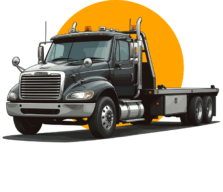
1. Flatbed Tow Trucks
- How
they work: The vehicle is loaded completely onto the truck bed.
- Best
for: Cars, SUVs, motorcycles, hybrid/electric vehicles,
accident-damaged vehicles.
- Advantages:
Zero wear on tires or drivetrain, safest method for any vehicle.
- Limitations:
Longer loading/unloading time, requires space.
2. Wheel-Lift Tow Trucks
- How
they work: A metal yoke lifts the front or rear wheels of the vehicle.
- Best
for: Short-distance towing of cars, small trucks, or light SUVs.
- Advantages:
Quick to hook up, ideal for city towing and roadside assistance.
- Limitations:
Can damage AWD, 4WD, or low-clearance vehicles if used incorrectly.
3. Hook and Chain Tow Trucks
- How
they work: Chains are wrapped around the vehicle’s axle or frame and
lifted.
- Best
for: Older vehicles with strong frames (classic cars, trucks).
- Limitations:
Can scratch, dent, or damage modern vehicles.
- Note:
Less common today, replaced by safer flatbed or wheel-lift trucks.
4. Heavy-Duty Tow Trucks
- How
they work: Equipped with extra lifting capacity for large vehicles.
- Best
for: Commercial trucks, buses, RVs, heavy machinery.
- Advantages:
Handles vehicles over 10,000 lbs safely.
- Limitations:
Not suitable for small cars or motorcycles.
Vehicles That Can Be Towed
1. Standard Cars and SUVs
Most tow trucks can safely
transport cars and SUVs, especially if using flatbed or wheel-lift methods.
2. Motorcycles
Motorcycles require specialized straps,
wheel chocks, and flatbeds to prevent tipping or damage.
3. Electric and Hybrid Vehicles
These vehicles are safe to tow only
on flatbeds, as improper towing can damage batteries or drivetrain.
4. Heavy-Duty Trucks and
Commercial Vehicles
Require heavy-duty tow trucks
with reinforced equipment. Not all towing companies have this capability.
5. Accident-Damaged Vehicles
Depending on the damage, flatbed
towing is safest. Some vehicles can’t be towed on wheels due to broken axles,
frame damage, or fluid leaks.
Vehicles That Are Difficult or Cannot Be Towed
Some vehicles cannot be safely
towed using standard methods:
- All-Wheel
Drive (AWD) and 4WD vehicles on wheel-lift trucks
- Low-clearance
sports cars without flatbeds
- Severely
damaged vehicles with broken axles or frames
- Heavy
machinery or construction equipment without heavy-duty trucks
In these cases, tow truck
companies like KTC Towing Calgary recommend specialized equipment or
transport options.
Towing Methods for Different Situations
- Roadside
Assistance / Short Distance:
o Flatbed
or wheel-lift trucks for quick towing.
o Used
for minor breakdowns or flat tires.
- Accident
Recovery:
o Flatbed
trucks with winches, especially for vehicles off the road or in ditches.
o Safety
and preventing further damage are priorities.
- Long-Distance
Towing:
o Flatbeds
are preferred for transporting vehicles over long distances.
o Secure
loading prevents wear or damage.
- Heavy-Duty
or Commercial Towing:
o Specialized
heavy-duty trucks handle buses, trucks, and RVs.
o Requires
trained operators and reinforced equipment.
Tips for Safe Vehicle Towing
- Provide
accurate vehicle info to the tow truck company.
- Share
vehicle condition, drive type, and accident details.
- Stay
clear of traffic and hazards during loading.
- Always
choose reputable towing services like KTC Towing.
- Avoid
improper DIY towing to prevent vehicle damage.
Common Myths About Tow Trucks
- Tow
trucks can tow anything: False – vehicle type, weight, and condition
matter.
- Wheel-lift
towing is safe for all vehicles: False – AWD, 4WD, and electric
vehicles may be damaged.
- All
towing companies handle heavy-duty vehicles: False – not every company
has heavy-duty trucks or trained operators.
- Flatbed
towing is expensive: False – it’s safer and often prevents costly
damage.
Why Choosing the Right Tow Truck Company Matters?
Selecting the right company
ensures:
- Safe
and damage-free towing
- Proper
equipment for your vehicle type
- Fast
and reliable service
- 24/7
availability for emergencies
Companies like KTC Towing
Calgary specialize in emergency
towing, roadside assistance, long-distance transport, and heavy-duty
recovery, ensuring your vehicle is in safe hands.
FAQs – Can a Tow Truck Tow Any Vehicle?
1. Can any tow truck tow an
electric or hybrid car?
No. Only flatbed tow trucks
should transport electric or hybrid vehicles, as wheel-lift towing can damage
batteries or drivetrain components.
2. Can a tow truck tow a
motorcycle?
Yes, but motorcycles require special
straps and wheel chocks to prevent tipping or scratches. Flatbed towing is
preferred.
3. Can all AWD or 4WD vehicles
be towed on a wheel-lift truck?
No. AWD or 4WD vehicles can be
damaged on wheel-lift trucks. Flatbed towing is the safe option.
4. Can a tow truck tow
accident-damaged vehicles?
Yes, if properly assessed. Flatbeds
and winches are often used for vehicles off the road, in ditches, or with
damaged frames.
5. Can a small tow truck handle
heavy trucks?
No. Heavy-duty tow trucks are
required for buses, RVs, or trucks due to their size and weight.
6. What should I tell a tow
truck company before they arrive?
Provide your exact location,
vehicle type, condition, and destination. Mention any damage, stuck
situations, or electric/hybrid drivetrain.
7. Can a low-clearance sports
car be towed safely?
Yes, but only with a flatbed
tow truck. Wheel-lift towing can scrape the underside and damage the
vehicle.
8. How can I ensure my car
isn’t damaged during towing?
Choose reputable towing
services, provide accurate vehicle info, and ensure the right tow truck
type is dispatched.